Senior technician
Design Thinking
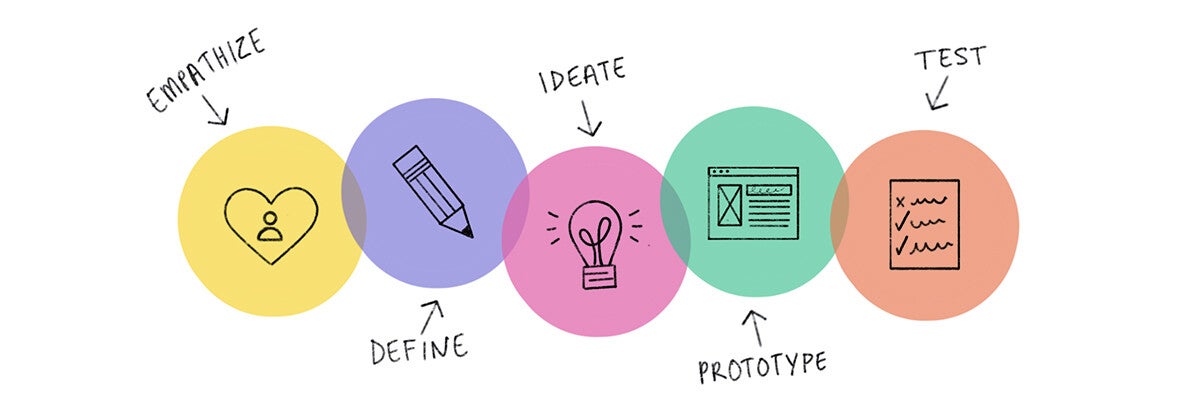
This method is used by world-renowned companies to present new prototypes. Its structure is composed of five pillars:
- empathy (attempt to define what the customer and user might like about the final product),
- definition (attempt to outline a profile using colors, shapes, and textures),
- ideation (a first draft is created based on the previous steps),
- prototyping (a first product is created),
- testing (if something doesn't work, the previous steps are returned to until the desired product is found).
In the course, our task in the lab was to prototype a low-cost flight simulator, following a Design Thinking approach.
Lean manufacturing
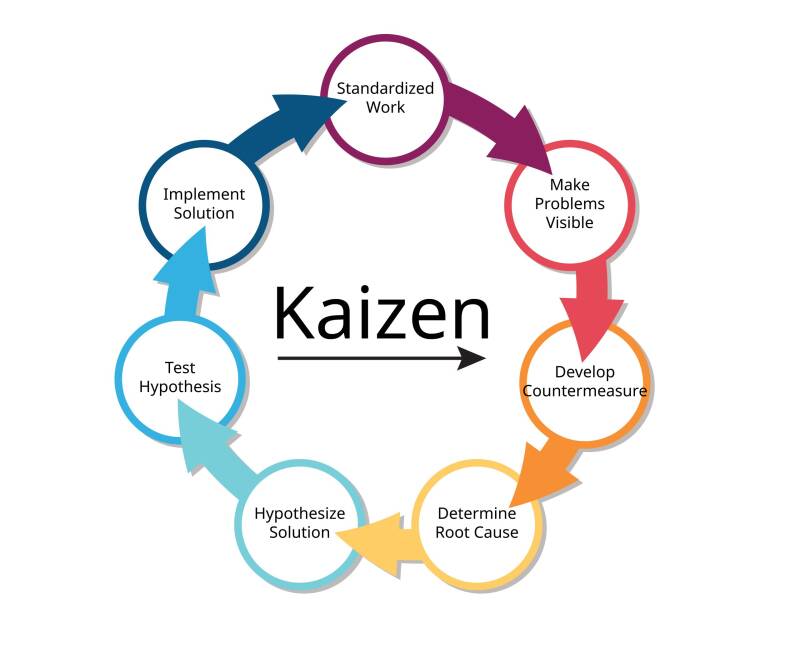
It's a process management technique widely used in industry. This method is also used in many sectors, although less frequently. It's based on Toyota's Japanese principles.
Professionals from the business sector attended the course and explained all the key points of this tool. They tested us, asking us to create projects with deadlines. They even had us simulate an industrial organization, where we were assigned very specific roles to ensure quality and deadlines were met.

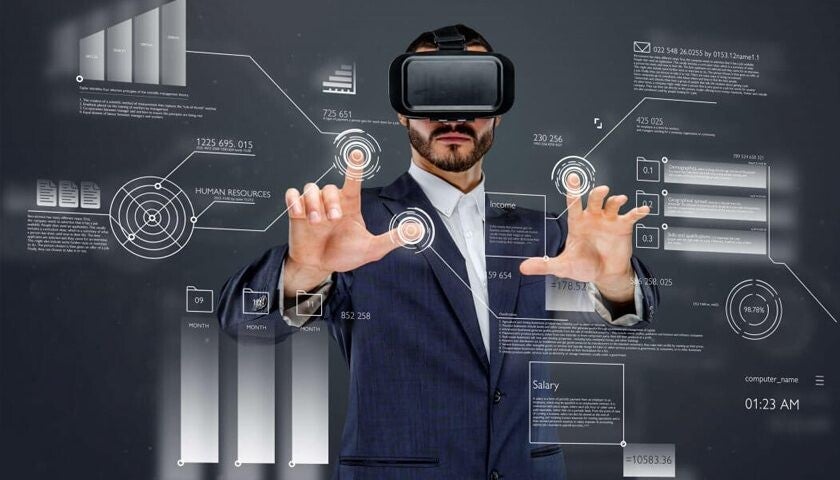
Virtual and augmented reality
Visual and augmented reality are tools under development. Thanks to programs like Unreal Engine, it's possible to create simulations that allow interactivity with a product that hasn't yet been physically created.
Furthermore, this program can create environments with realistic physics. In my opinion, it's a tool with endless application possibilities. The biggest challenge is your imagination.
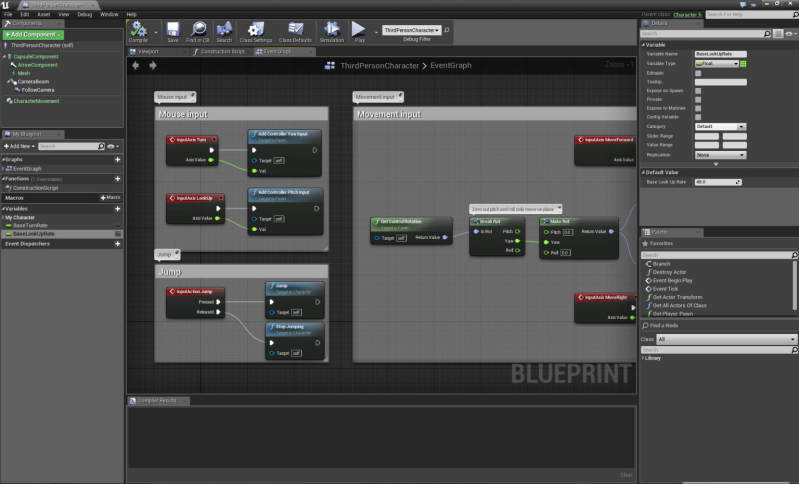
The program consists of two programming methods: C++ and Blueprint.
During the course, we covered the basics; outside of school, I continued to research this program a bit.

Python programming
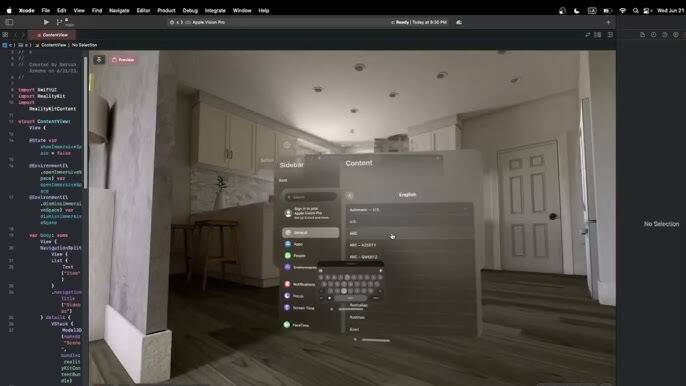
In Python programming we saw the fundamentals of programming, as a test we made a coin calculator for a vending machine and later we made Vision pro for object coding where the tests included erasing or transforming things and colors on images, such as in an image with snowflakes being able to erase them to make the image more understandable and in an image with colored balls turning all the balls of a color other than yellow gray, leaving only the one with that color colored, all this thanks to the analysis of isograms and tools to modify the image quality.
Aviation quality
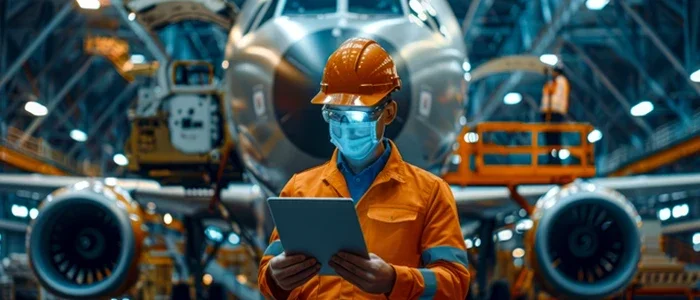
During the course, we covered aeronautical quality, and I acquired essential knowledge to ensure safety, efficiency, and compliance with standards in the production of aerospace components and systems. I learned to inspect, control, and evaluate processes with precision and attention to detail, applying strict standards that ensure excellence in each project. This experience strengthened my critical analysis skills and technical rigor, key skills for working in environments where quality and safety are paramount.


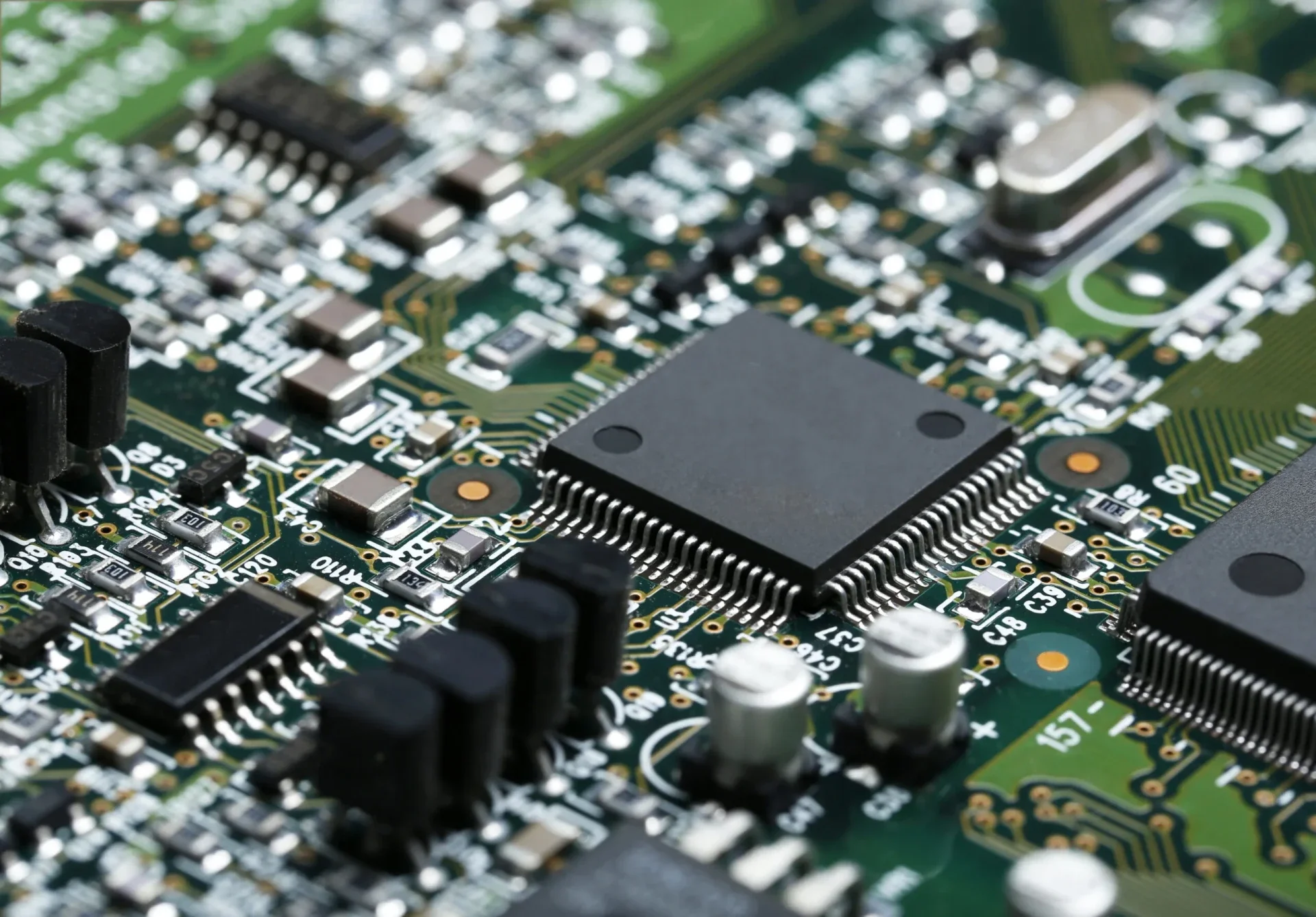
Solder electronic components
During my training, I acquired skills in soldering electronic components, learning how to assemble, join, and repair circuits accurately and safely. This training included the use of specialized tools, fine soldering techniques, and quality control, ensuring that each electrical connection works correctly and meets the required technical standards. This skill allowed me to develop manual dexterity, attention to detail, and the ability to work with complex electronic systems.
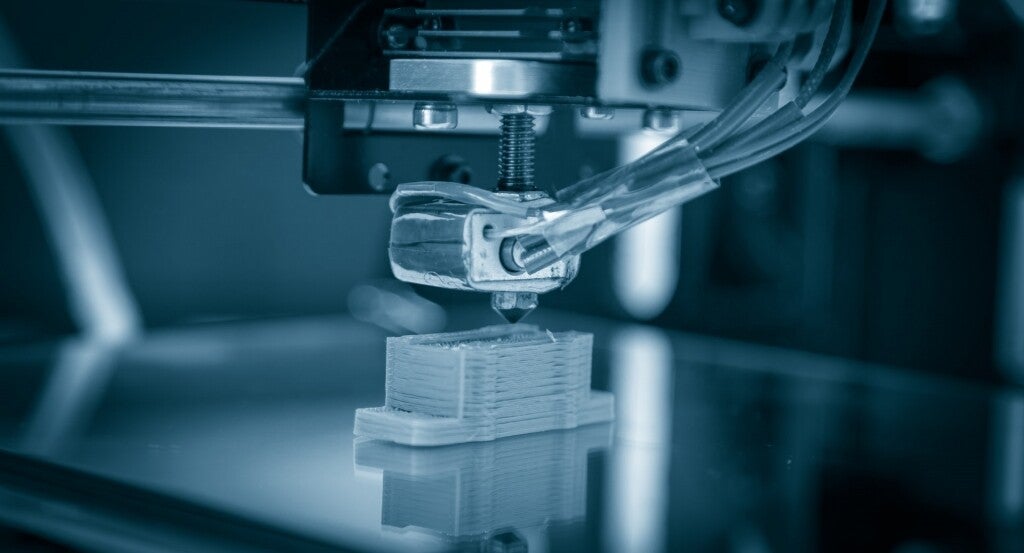
3D Printer Lab
During my training in the 3D Printer Lab, I gained hands-on experience in the design, preparation, and manufacturing of three-dimensional parts using different types of materials. I learned how to configure printers, calibrate parameters, and optimize printing processes to produce precise and functional parts. This experience allowed me to develop technical skills, applied creativity, and an understanding of materials, essential for prototyping and advanced production projects.
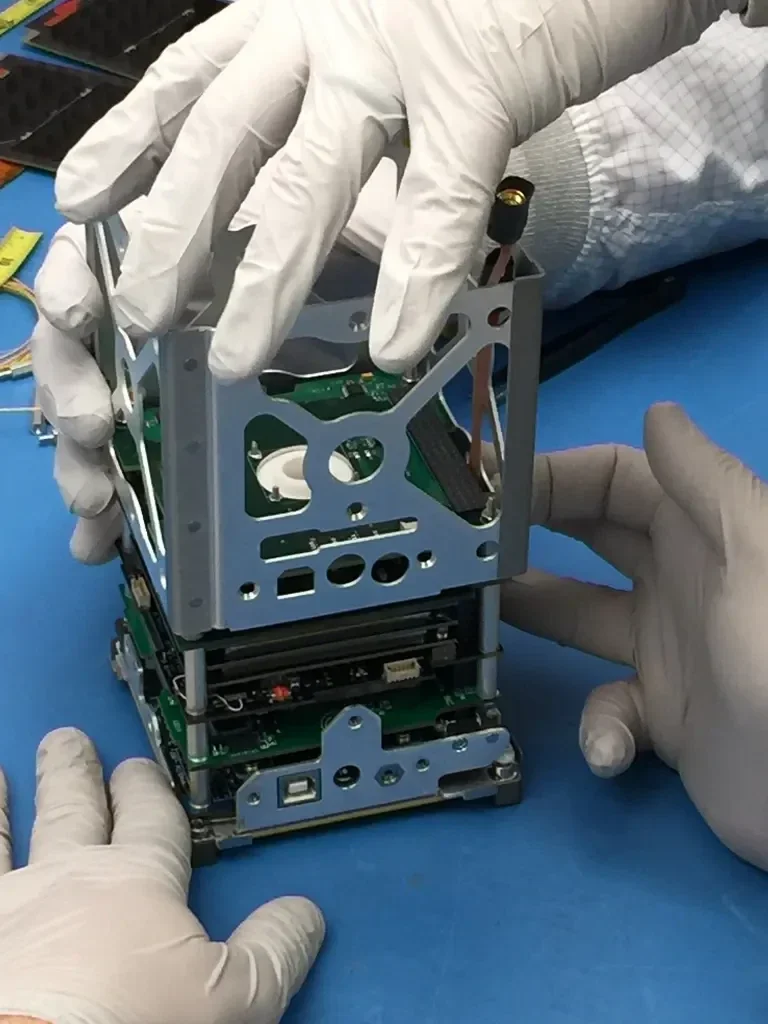
Aerospace sensors and actuators
During my training, I worked with sensors and actuators for aerospace applications, specifically in the context of CubeSats. I learned to select, integrate, and calibrate devices that allow me to measure, control, and automate critical functions in compact space systems. This experience gave me practical knowledge of cutting-edge technology, precision instrumentation, and skills to work in environments where reliability and efficiency are critical.

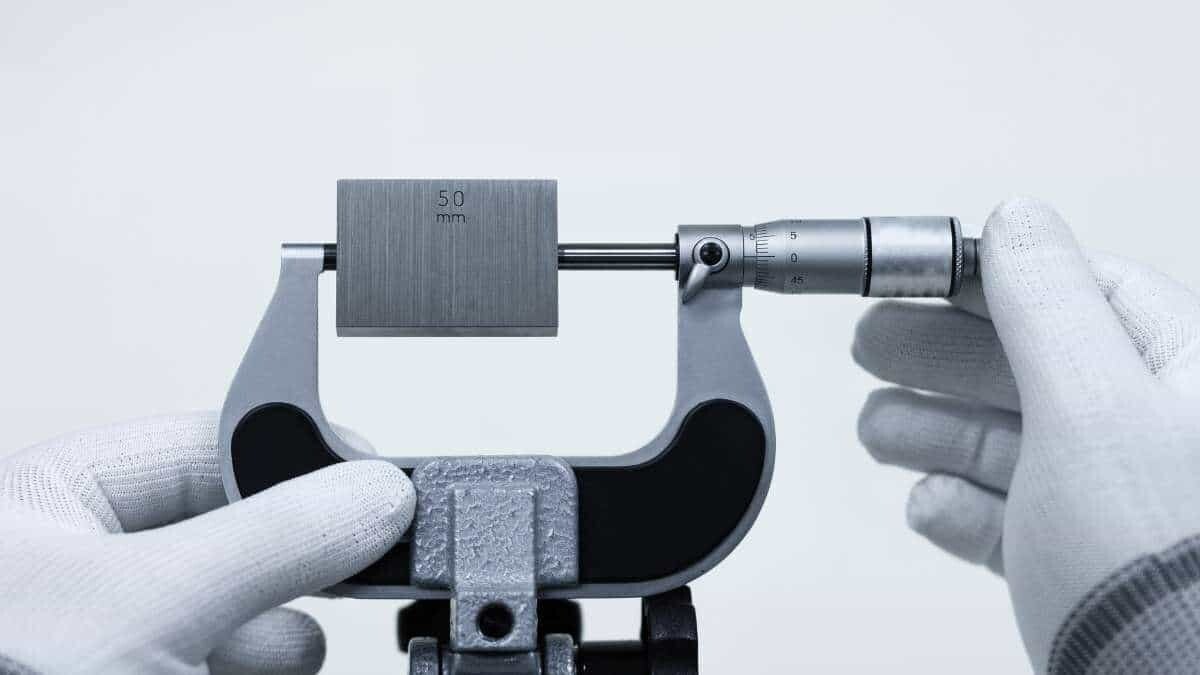
Metrology
I acquired skills to accurately measure and control dimensions, tolerances, and properties of materials and components. I learned to use advanced measuring instruments and apply standardized methods to ensure quality, accuracy, and reliability in industrial and aerospace processes. This experience strengthened my attention to detail, technical rigor, and analytical skills—essential competencies in any high-precision engineering or manufacturing project.