Automation technician

Programming logic
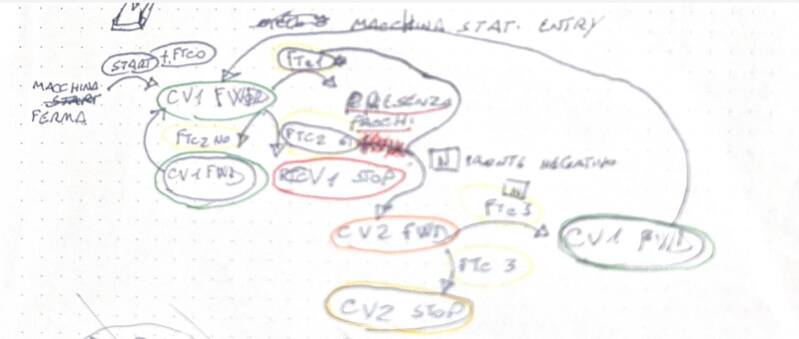
During the course, we were taught methods for getting started with automatic movements. Using a flowchart, we can schematize how the machine will be built and how it will operate. There are many types of logic, but I've seen two: the state machine and the best-known Grafcet.
State machine
The business professional who followed us in the course liked the state machine the most because this logic can be used to add or remove parts of it, such as warnings or errors, from the tool being developed.
Grafcet
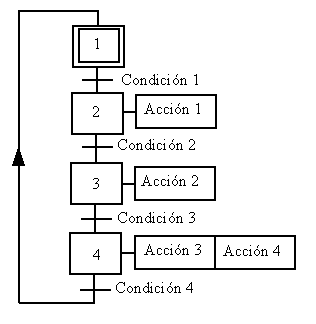
When I went to do internships in companies, the most used was grafcet, for convenience and simplicity.

Programming of PLC
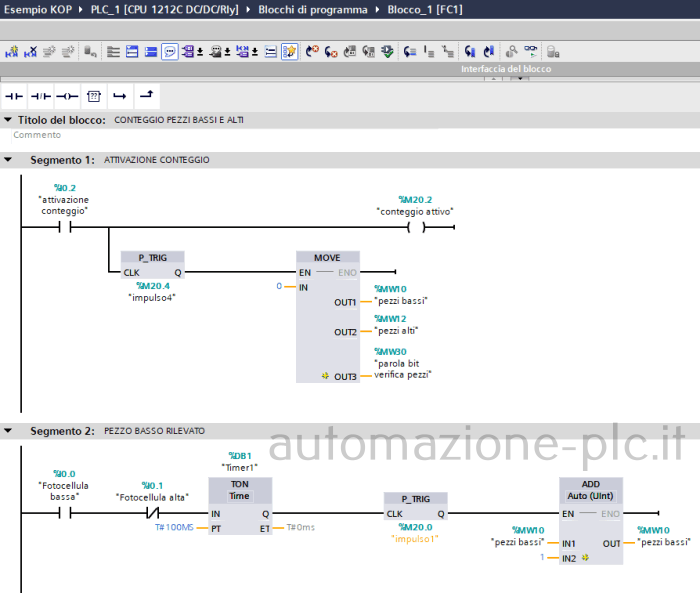
The PLC section was really interesting. During the course, we used Siemens hardware and software, where we learned two types of programming: ladder logic (LAD) and structured text (ST). To verify the logic worked correctly, we used a program that simulates conveyor and containment machines in 3D. This tool allows us to debug the process.

Robotics
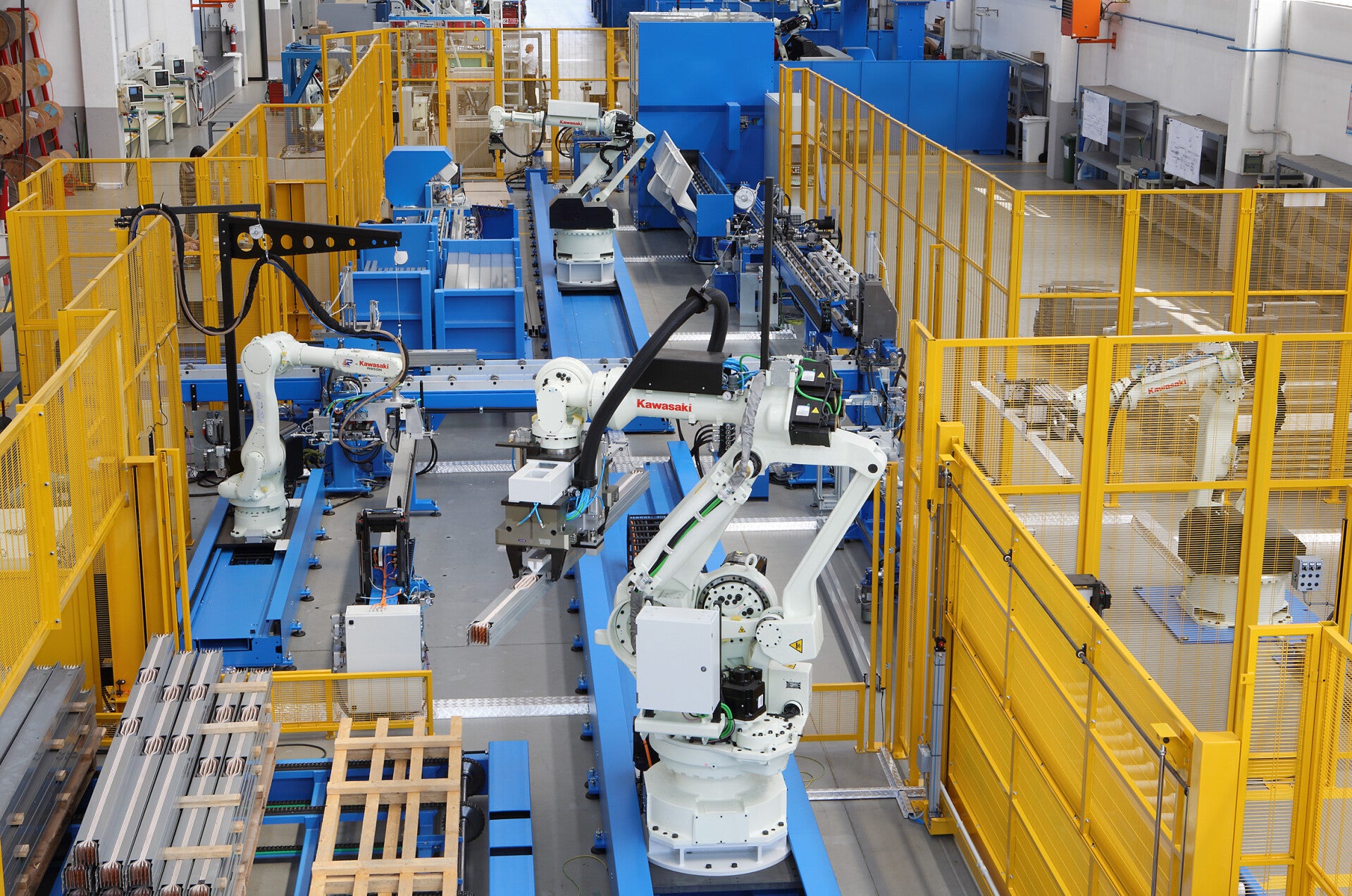
Robotics is a very interesting topic. In this section, we've seen two types of robots, both for moving and stacking materials. The first is a Cartesian robot that operates on three axes (X, Y, and Z), where it can move forward and backward, left and right, and up and down. Along these axes, the robot can rotate clockwise and counterclockwise. We also find anthropomorphic robots that operate using joints and rotate about them, operating in a spherical field around them.
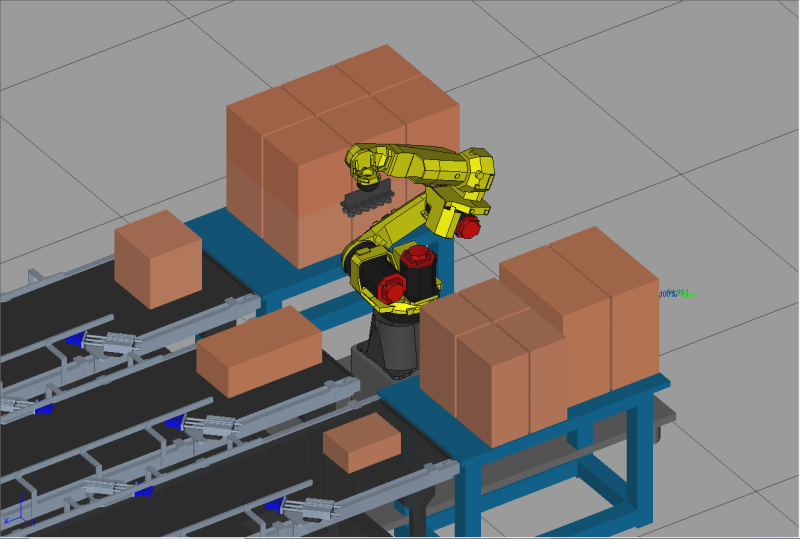
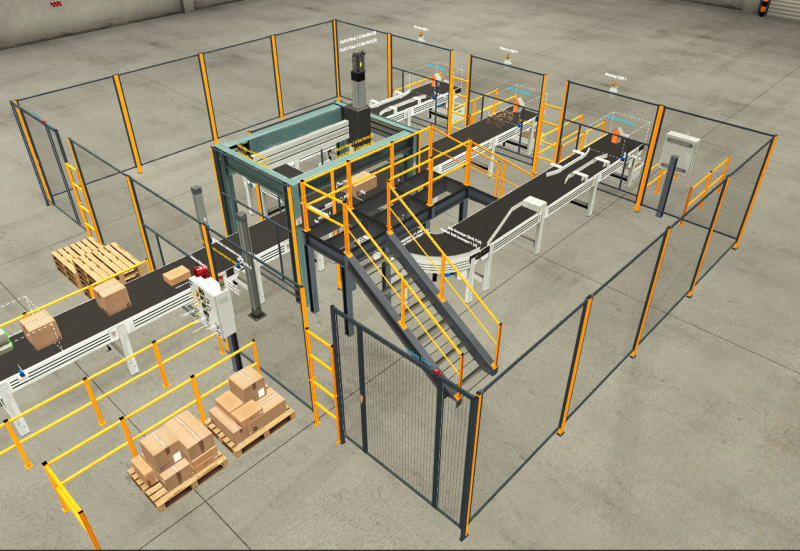
To program these robots, we specifically analyzed Fanuc's RoboGuide, which allows simulations to be created using a PC program. For Cartesian robots, my final project focused on programming a package sorter using a simulated area program called Factory I/O.
3D drawing
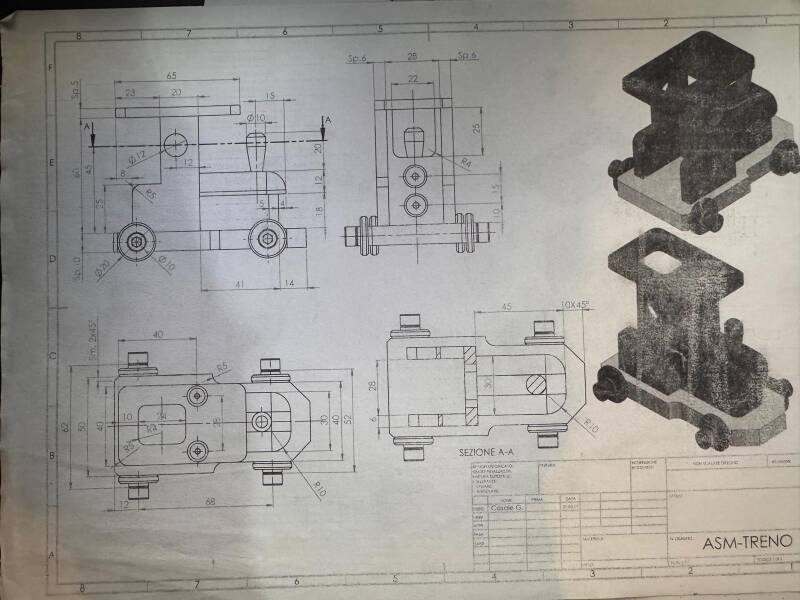
3D modeling. They explained to us that it's a program that allows you to build parts digitally. Then, through measurements and drawings, you can build real objects. As a first project, they asked us to try out the SolidWorks tools. Then, after much experimentation, we began creating figures until we finally built a toy train, which they asked us to print with a 3D printer. Our journey begins here. Discover our activities and what we do. We strive to offer quality and great service. We invite you for growth and success. We are happy that you want to be part of our story.
Industrial pneumatics
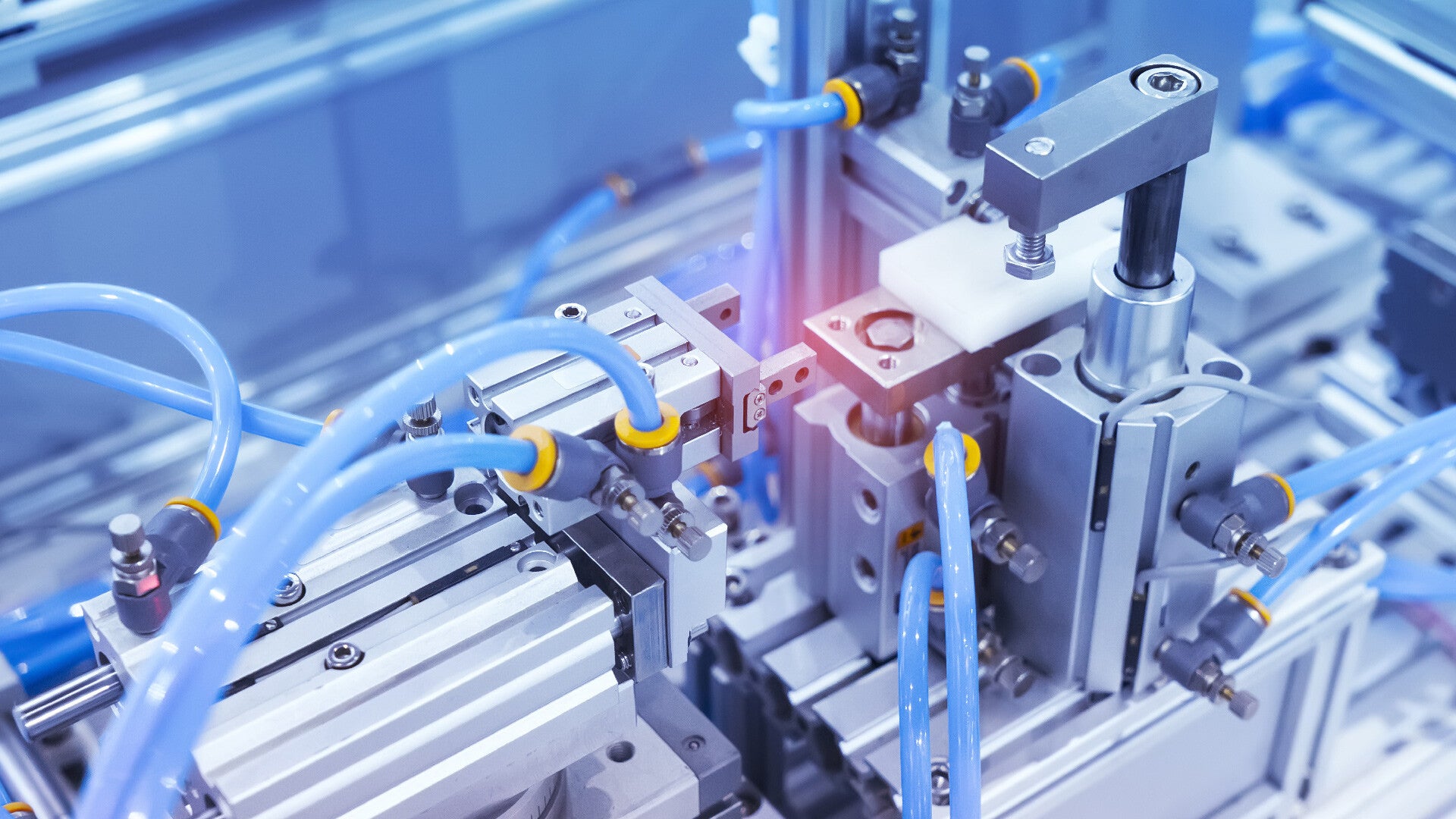
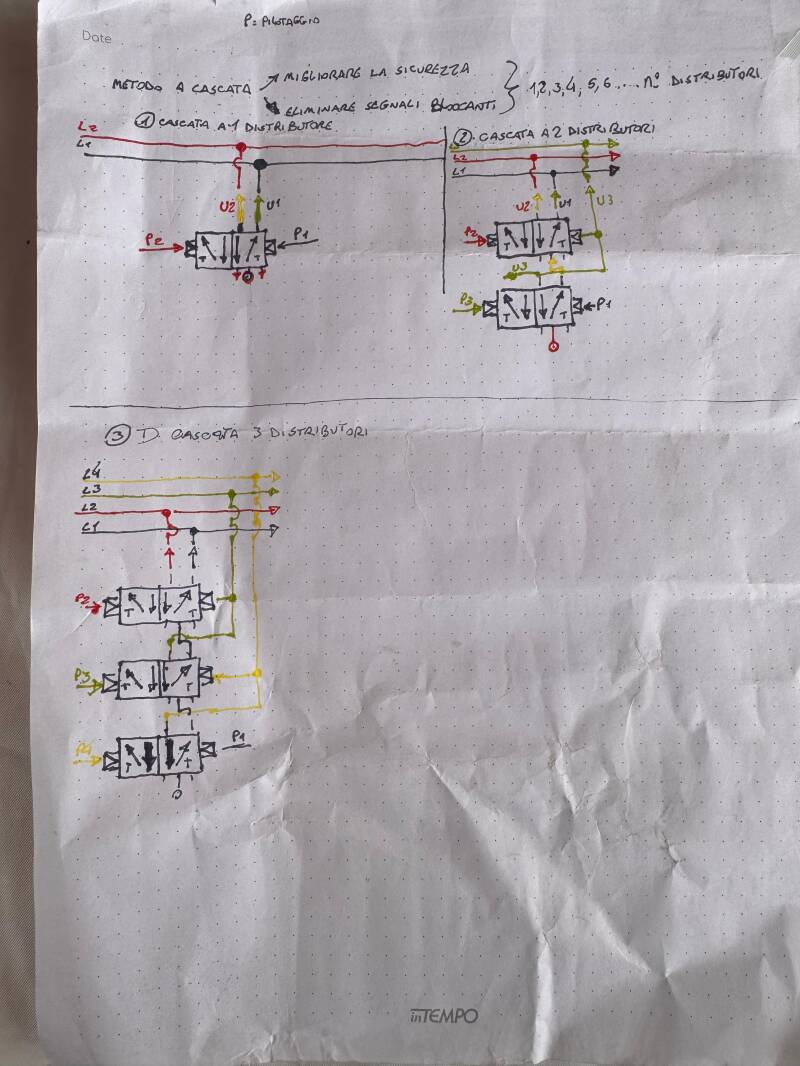
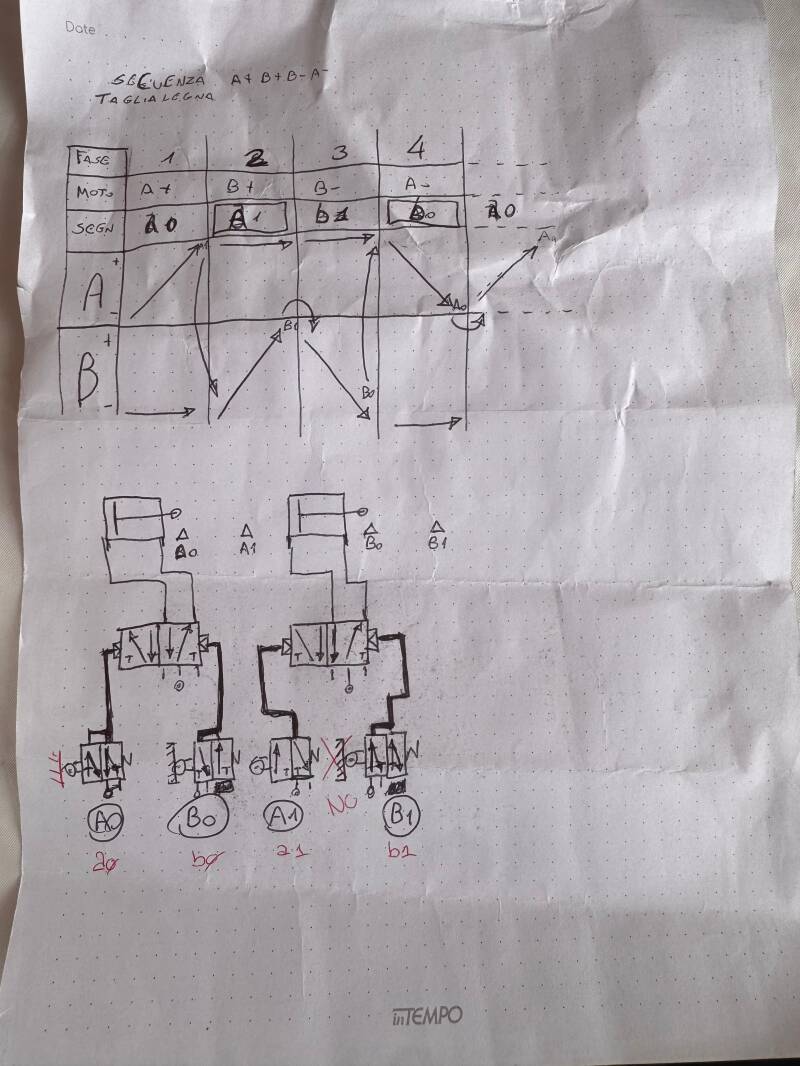
Industrial pneumatics is a very important sector in the industrial world, but it's undervalued. During the course, we saw movement sequences performed not by PLC-controlled solenoid valves, but by valves with limit switches and buttons that control subsequent movements using air. To create the panel in the lab, we first drew the connection diagrams.
Electrical design
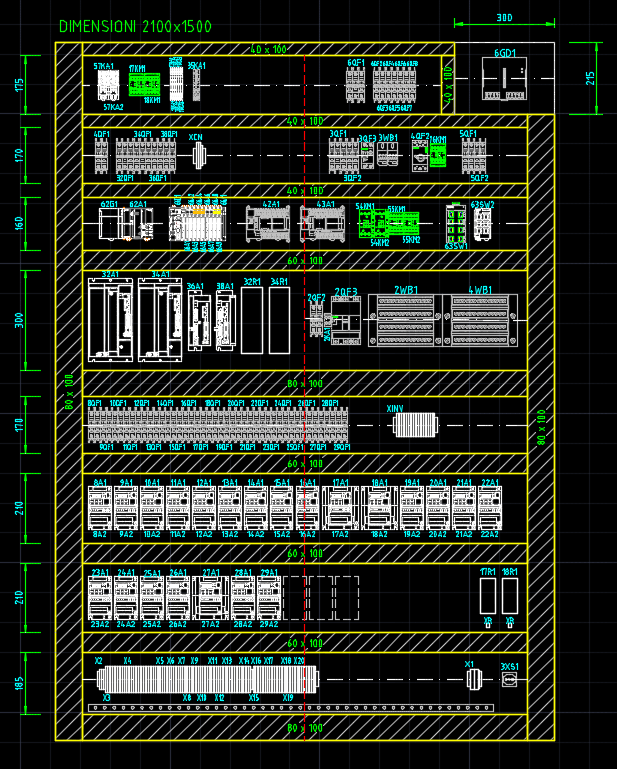
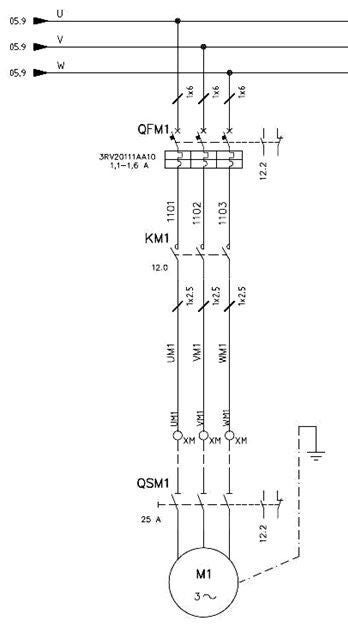
Electrical drawings are very important in the industrial sector, as they constitute the manual for the construction, wiring, and connection of electrical panels, which power and operate entire industries. In the course, we analyzed a CAD program called SPAC, a 2D program that uses libraries and produces drawings with an easy-to-customize title block. Furthermore, computer drawing reduces drawing setup time, improving a company's performance.
To illustrate the logic, I will use the example of a 230V connection.
There are two parallel lines: one at the bottom of the drawing and one at the top, running side by side. The 230V phase starts from the top line and connects to a phase-interrupting component immediately below the circuit breaker. When connected to a load, it consumes power and is essential for the operation of the network; without it, a short circuit would occur and the system would fail. The load is connected to the bottom line, which represents zero, the neutral of the system.