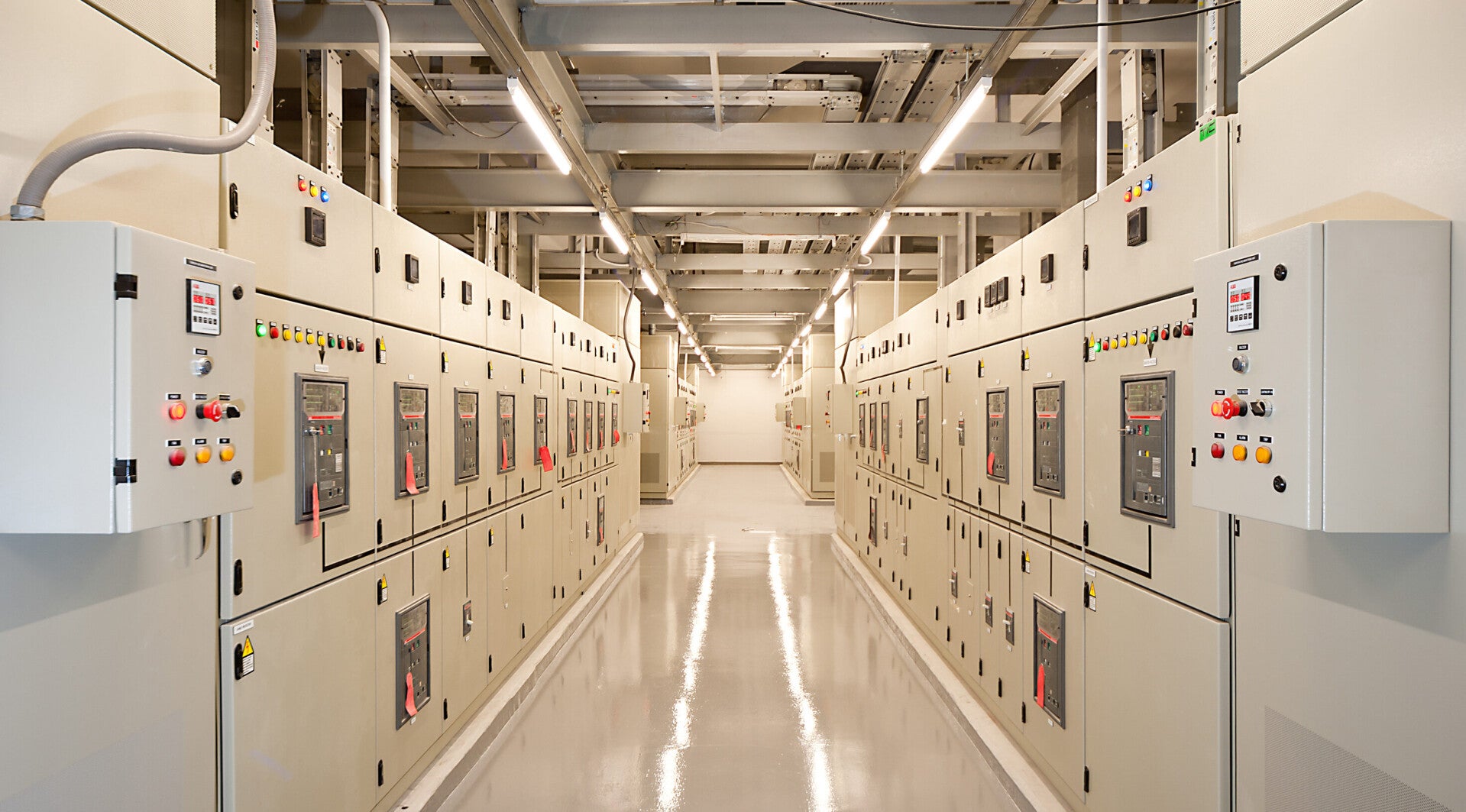
Electrical and electronic technician
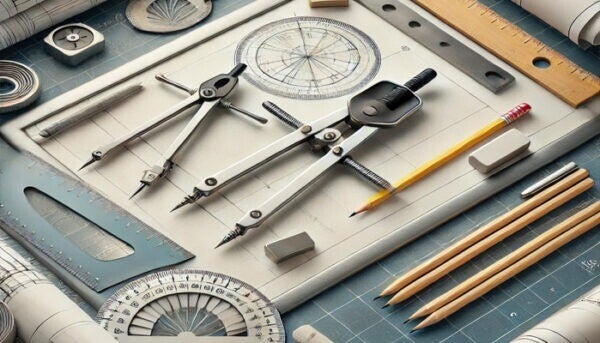
Drawing and tools
The last few years of high school were very interesting, as I learned the fundamentals of a profession based on logic, since the working process isn't visible to the naked eye.
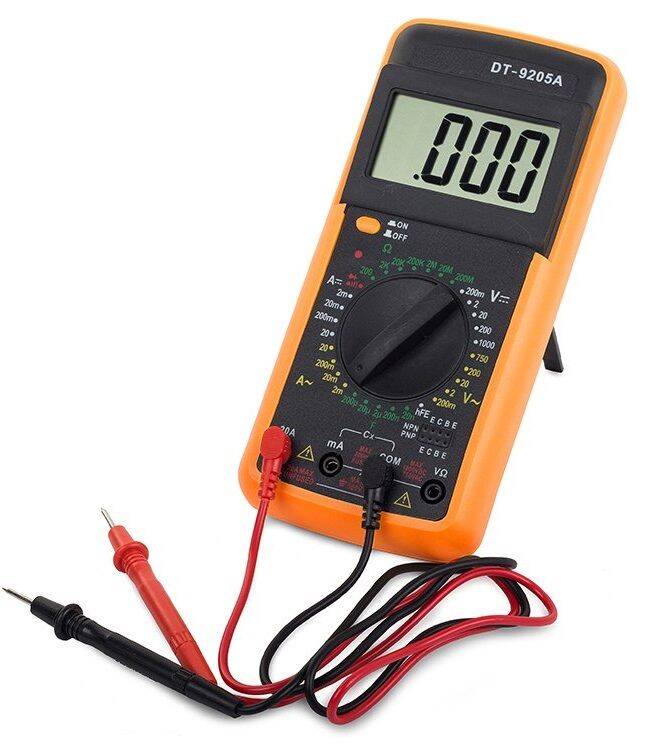
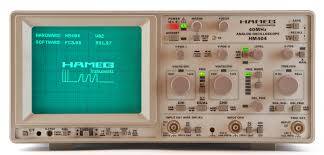
The main tools are technical drawings, both on a computer and on paper, and instruments that allow us to observe numbers (like a multimeter) or waves (like an oscilloscope).

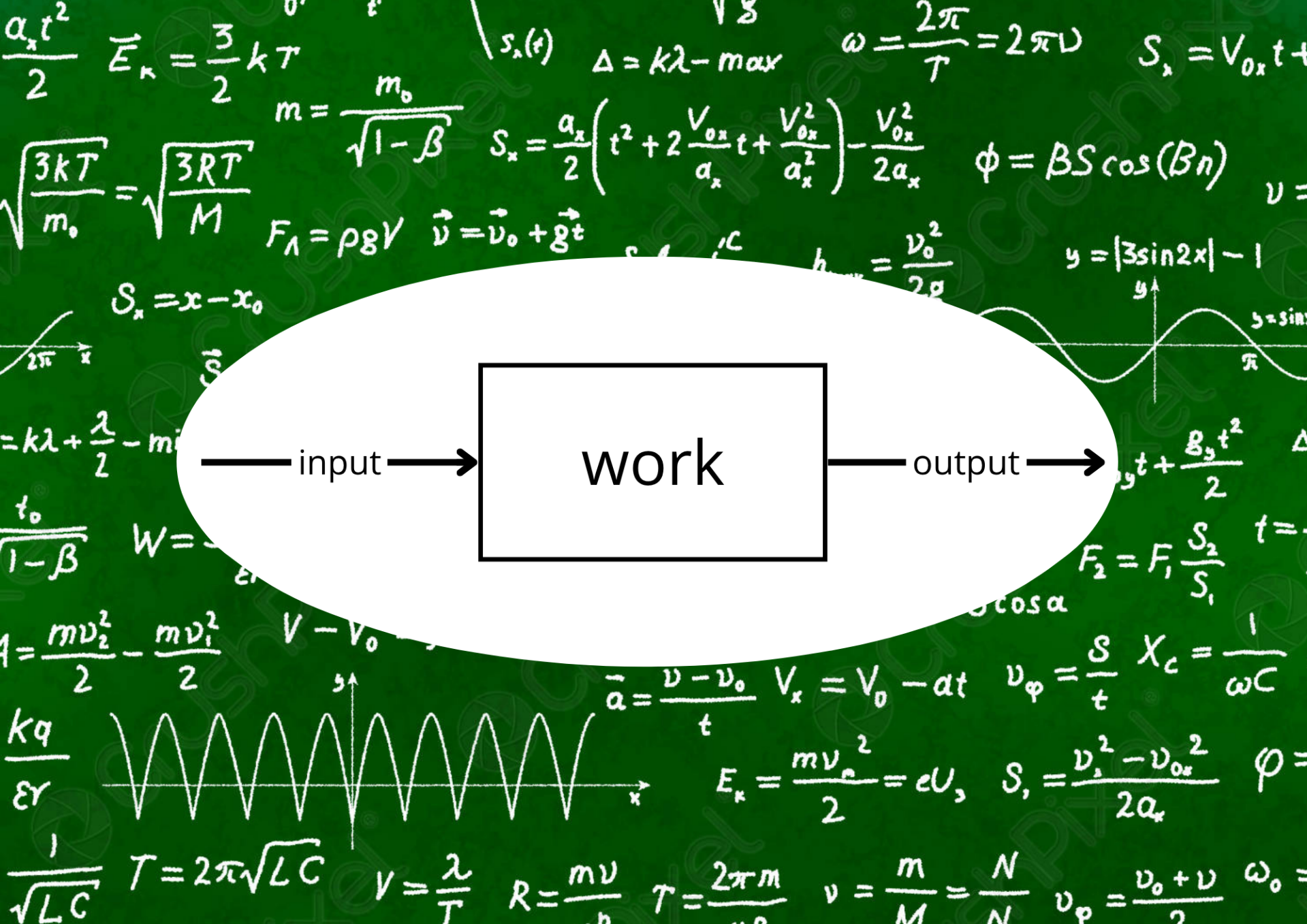
Logical and mathematical formulas
This part of the lessons enlightened me, as the reasoning I still use in the professional world is based on this theme.
Each individual project, if analyzed, can have a block-by-block development where I acquire information or an object, process it, and extract new information or a new object that takes shape step by step in the process. This also gives rise to automation, because if I use this logic and apply it block by block in a cascading manner, a type of engineering is born that, with feedback, can control the execution within the process. For example, imagine an electric heater: I feed the machine with energy, this heats the mechanism, which emits heat, but the heater doesn't know when to stop. If I add a thermostat that monitors the output (the heat in the room), when it reaches the right temperature, it cuts off the power supply. This is how math and logic come together: looking at the numbers and checking the execution.

Tradition and Progress
It took me a while to decide what to write. The field of electricity and electronics has a centuries-old culture and is a very important reality for society, as it is constantly developing and offers us spectacular works. It offers services in every field, from civil to industrial, and allows us to maintain a high standard of living. The structure of a system includes both standardized logic that allows us to maintain tradition and, at the same time, innovative logic that improves and advances the system.